Building or renovating a home comes with hundreds of decisions.
Flooring. Lighting. Cabinetry. Plumbing fixtures. Hardware. Paint colors. Millwork. Furniture layouts.
And while it can be tempting to think of interior design as something that happens once construction is nearly finished, bringing in a designer earlier can make the entire process feel more cohesive, intentional, and far less overwhelming.
For homeowners building or renovating in Georgia, whether you’re in Atlanta, Savannah, Athens, St. Simons, Sea Island, or somewhere in between, the right time to involve an interior designer is often much earlier than you think.
One of the biggest advantages of bringing in an interior designer early is the ability to look at the home as a whole.
Instead of choosing each finish independently, a designer can help make sure the flooring works with the cabinetry, the lighting complements the architecture, the hardware feels consistent, and the furniture plan actually makes sense within the finished space.
When those decisions are made together, the home feels more intentional.
When they’re made one at a time without an overall vision, it can be much harder to create that same level of cohesion later.
Furniture placement should influence architecture more than people sometimes realize.
Where will the sofa go?
How much clearance is needed around the dining table?
Is there enough wall space for the bed and nightstands you want?
Will the living room layout work with the fireplace, television, windows, and traffic flow?
These are interior design questions, but they can also affect architectural decisions.
Looking at furniture placement early can help identify awkward layouts before walls are built or renovation work is underway.
Sometimes moving a doorway, shifting a window, or adjusting an electrical plan early is a relatively simple change.
Making that same adjustment later can be much more complicated.
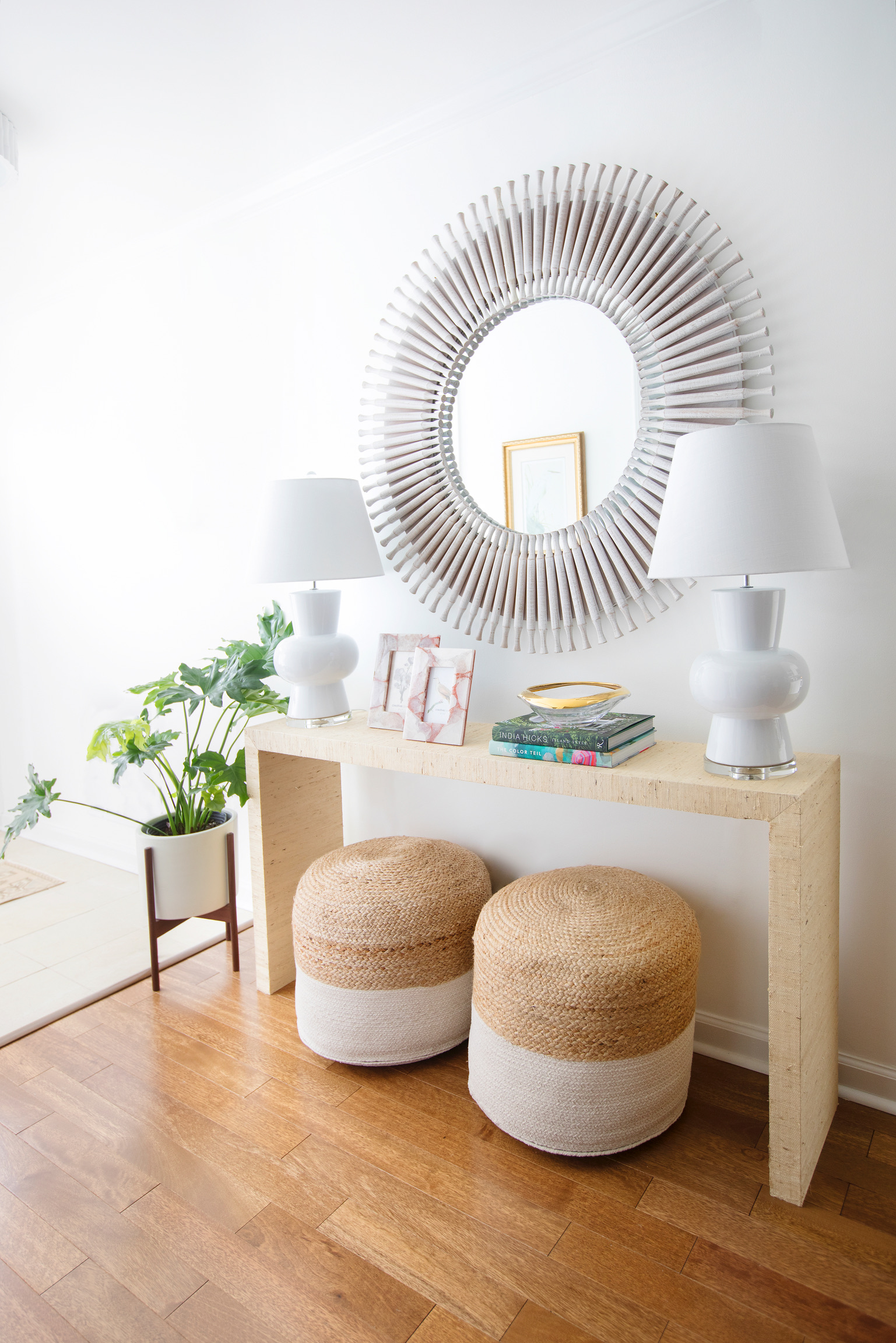
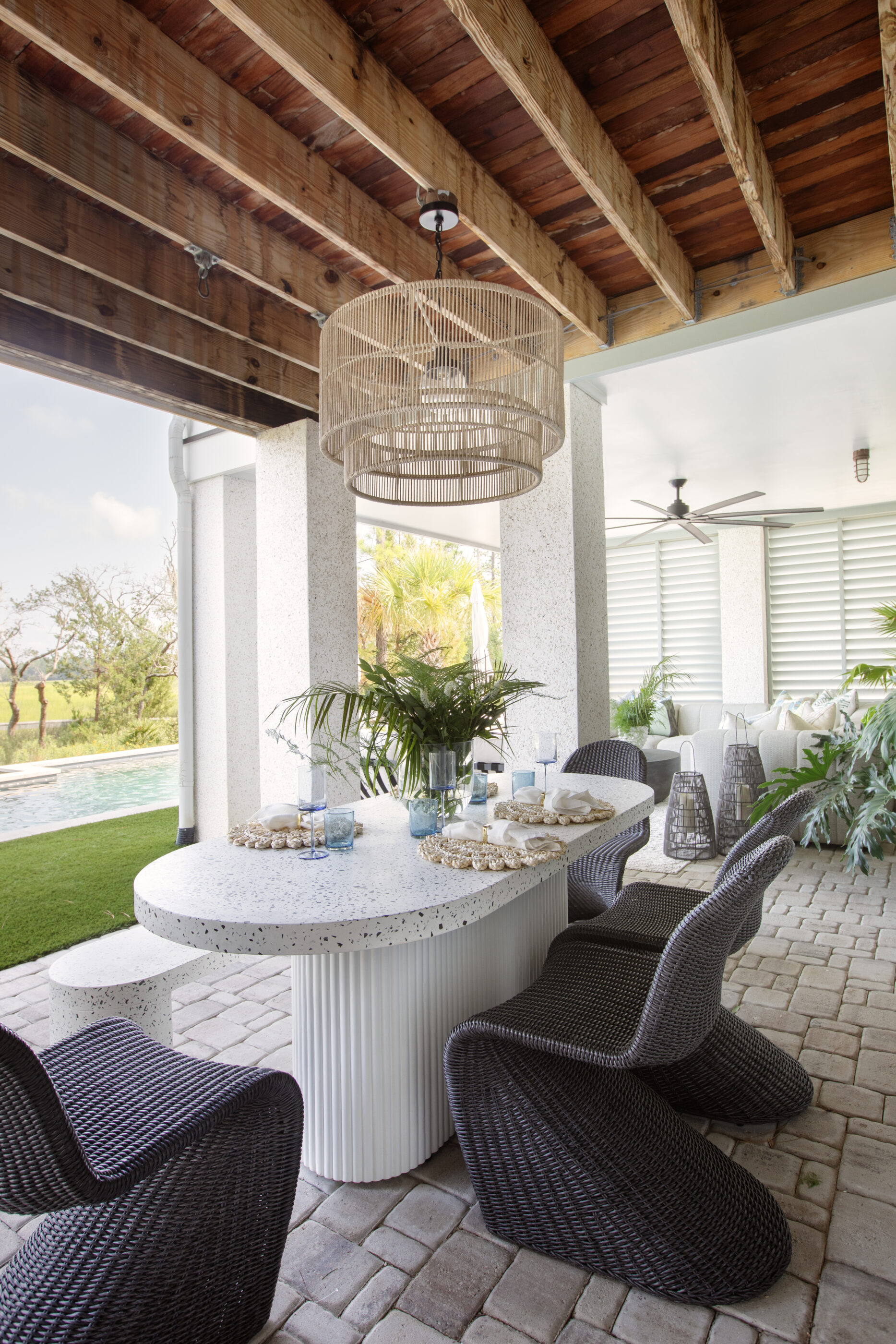
Lighting is one of the biggest opportunities to make a home feel special, and it’s also one of the hardest things to correct after construction.
A designer can help think through decorative fixtures, sconces, recessed lighting, lamps, switches, outlets, and how each room will actually function.
If you already know where a console table will sit, you can plan for lighting around it.
If you know the bed placement, you can position sconces and switches accordingly.
If you want a dramatic chandelier over the dining table, it helps to know exactly where that table will be.
The earlier those details are considered, the more seamless the finished home can feel.
Cabinetry is a major investment, which makes it one of the areas where thoughtful planning matters most.
Beyond choosing a cabinet color, there are decisions around layout, storage, hardware, finishes, proportions, and how cabinetry relates to the rest of the room.
The same applies to built-ins, bars, mudrooms, home offices, and custom storage.
These elements should feel integrated into the architecture of the home rather than added as an afterthought.
Working through them with a designer early can help create spaces that are both beautiful and functional.
One of the most common challenges during a build or renovation is decision fatigue.
You may love three different tiles, two countertop materials, four cabinet colors, and a dozen light fixtures.
The issue isn’t necessarily finding beautiful things.
It’s making sure the beautiful things work together.
An interior designer can help create a clear visual direction for the home before individual selections start piling up.
That can make decisions about flooring, tile, countertops, plumbing fixtures, hardware, paint, and lighting much easier because each choice is being made within a larger design plan.
New construction gives you an incredible opportunity to create a home around the way you actually live.
But that blank slate can also feel overwhelming.
There are so many decisions happening at once, often on tight construction timelines.
Having an interior designer involved early can help you establish priorities and create consistency from room to room.
It also gives you the chance to consider the details that make a new home feel less builder-driven and more personal, whether that means custom millwork, special lighting, unexpected finishes, or architectural details that give the home character from day one.
Renovations come with a different set of challenges.
Instead of starting from nothing, you’re working with existing architecture, existing materials, and sometimes existing furniture you want to keep.
The goal becomes deciding what stays, what changes, and how to make the new portions of the home feel connected to what already exists.
This is especially important in homes with architectural character.
A designer can help preserve what makes the home special while introducing new elements that make it feel more functional and current.
The best renovations don’t always erase the past.
Often, they find a better way to build on it.
Furniture is often treated as the final step, but it should be considered much earlier.
Room dimensions, traffic flow, window placement, lighting, and even outlet locations can all be influenced by how the room will eventually be furnished.
Thinking about furniture early also helps prevent one of the most frustrating design problems: finishing construction and realizing the pieces you love don’t fit the room the way you imagined.
Even if you aren’t ready to purchase furniture immediately, having a plan gives the construction process a much clearer destination.
Building and renovating are collaborative processes.
Architects, builders, contractors, tradespeople, and designers all bring different expertise to a project.
An interior designer can help bridge the gap between the architectural vision and the way the home will ultimately look and feel.
That may mean reviewing plans, helping with material selections, thinking through furniture layouts, sourcing fixtures, or making sure the overall design direction stays consistent as the project evolves.
The earlier everyone is working toward the same vision, the easier it is to make confident decisions along the way.
If you’re already asking yourself whether it’s too early, it probably isn’t.
The ideal time is often before construction begins or while plans are still flexible.
That doesn’t mean every finish or piece of furniture needs to be selected immediately.
It simply means there is a clear design direction guiding the decisions that come next.
And if your Georgia build or renovation is already underway, it’s still worth bringing in help.
A designer can step into the process at different stages and help bring clarity to the decisions that remain.
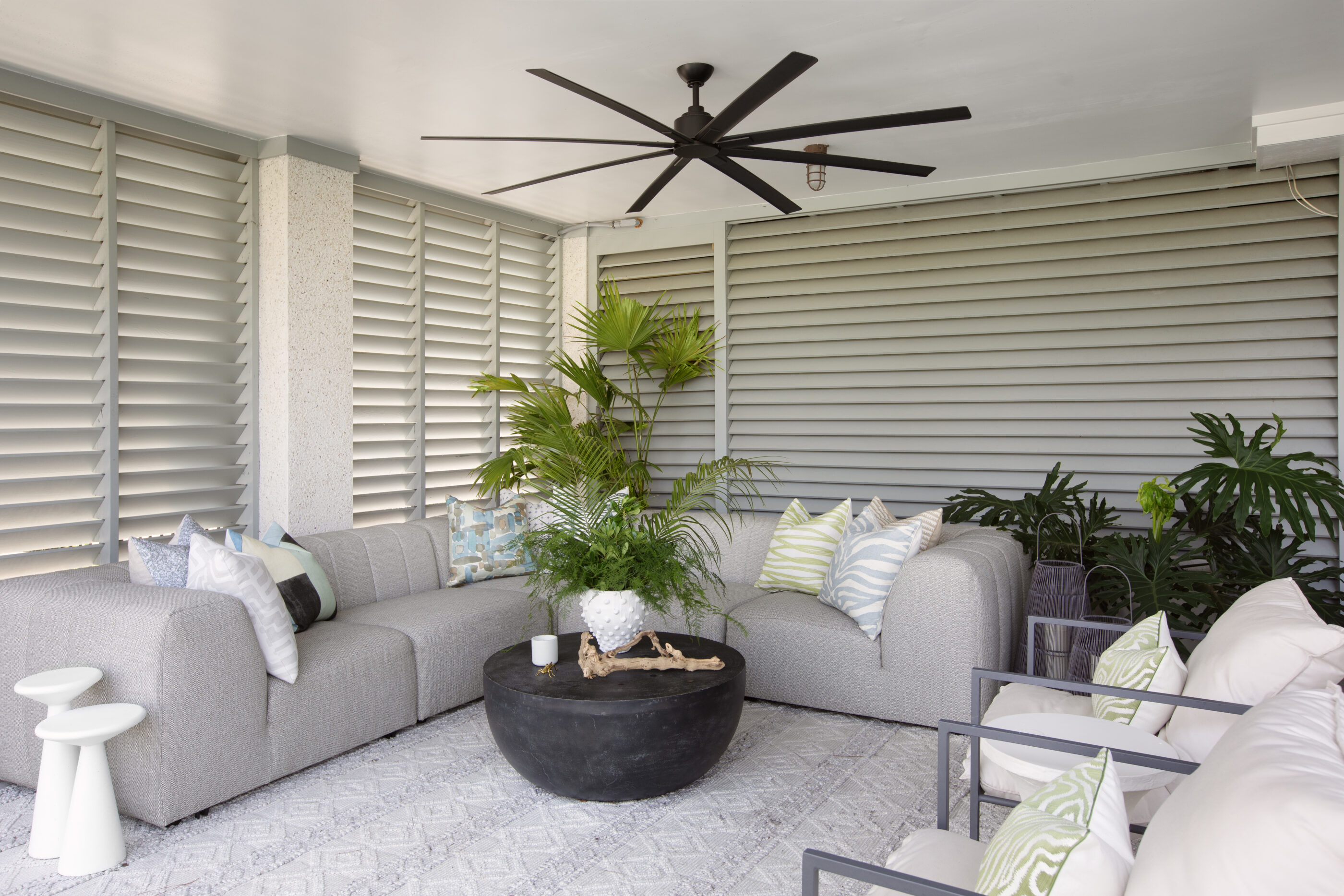
The most successful homes aren’t created by making one beautiful decision at a time.
They’re created by understanding how all of those decisions work together.
Bringing in an interior designer early gives you the opportunity to think beyond individual selections and create a home that feels cohesive from the architecture all the way down to the finishing details.
Whether you’re building from the ground up or giving an existing Georgia home a new chapter, having a design plan from the beginning can make the process easier and the finished home feel much more like you.