Interior designers tend to experience rooms a little differently.
While someone else may walk into a space and simply think, “This room feels great,” a designer is often noticing dozens of small decisions working together behind the scenes.
The interesting part is that many of the things that make a room feel finished have very little to do with following trends.
Here are seven details we notice almost immediately when walking into a home.
One of the first things we notice is whether the furniture fits the room.
A sofa that is too small can make a large living room feel unfinished, while oversized furniture can make a smaller space feel crowded.
The same applies to coffee tables, dining tables, rugs, lamps, and artwork.
Scale is one of those design principles that people often feel without necessarily knowing what is wrong.
Window treatments can completely change the perceived height and scale of a room.
Curtains hung too close to the top of the window can visually shorten the walls. Hanging the rod higher and allowing the panels to extend wider than the window, can make the room feel larger and more polished.
It is a small adjustment that makes a surprisingly big difference.
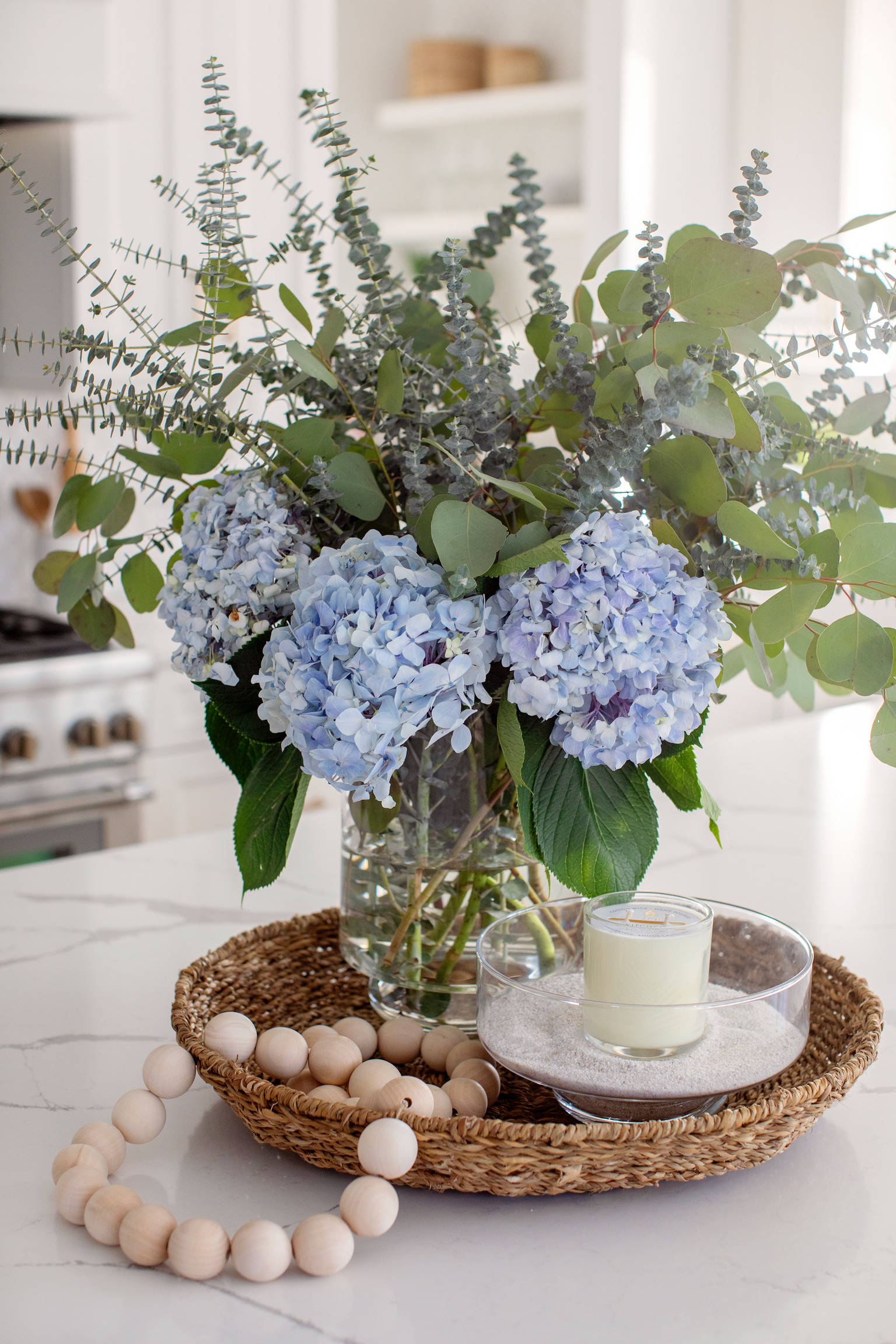
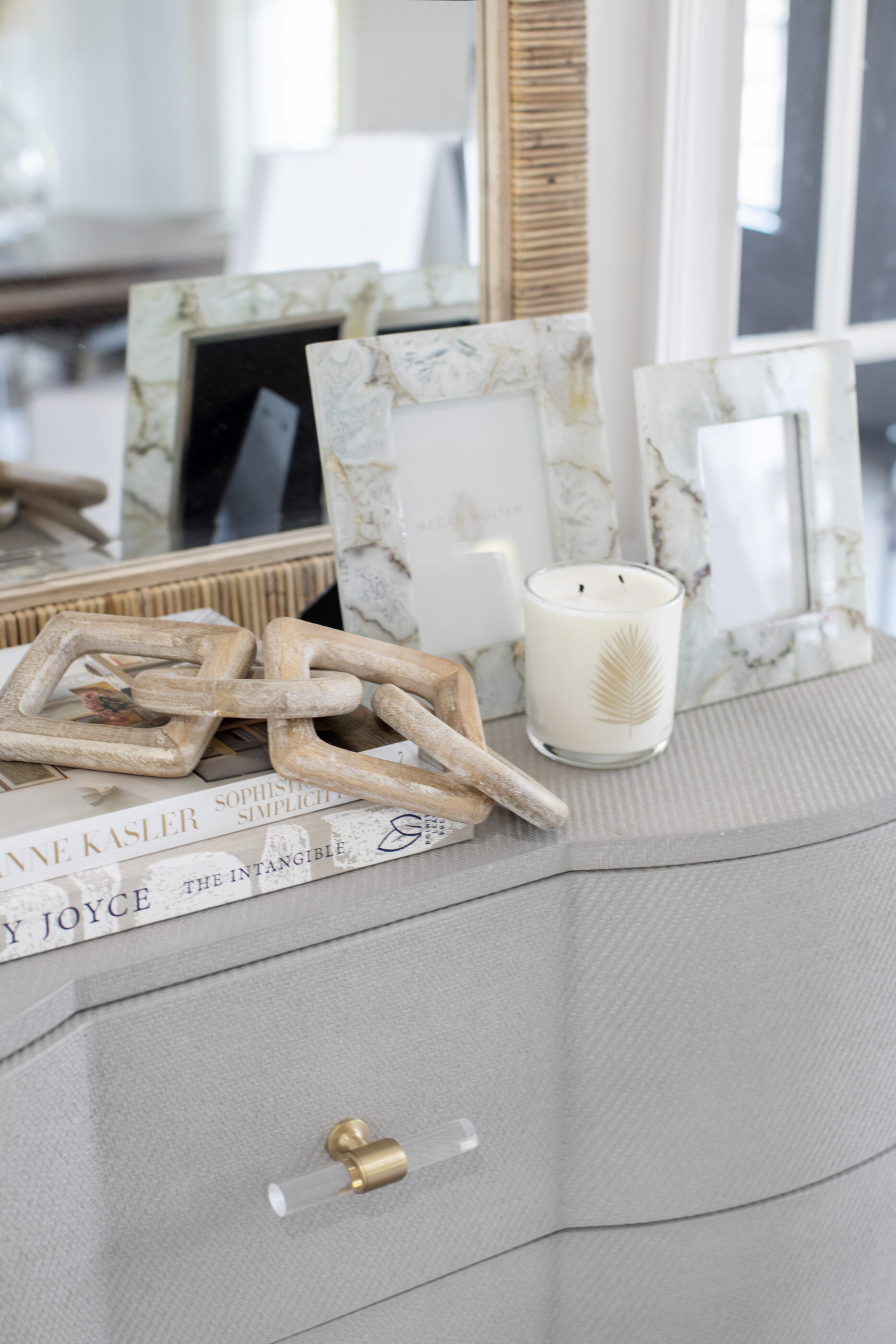
If there is one thing we wish more people knew, it is that rugs are often chosen too small.
In a living room, a rug should visually connect the seating area rather than float underneath the coffee table by itself.
In a bedroom, it should extend far enough beyond the bed to feel intentional.
The right-size rug can instantly make a room feel more grounded.
Lighting affects everything.
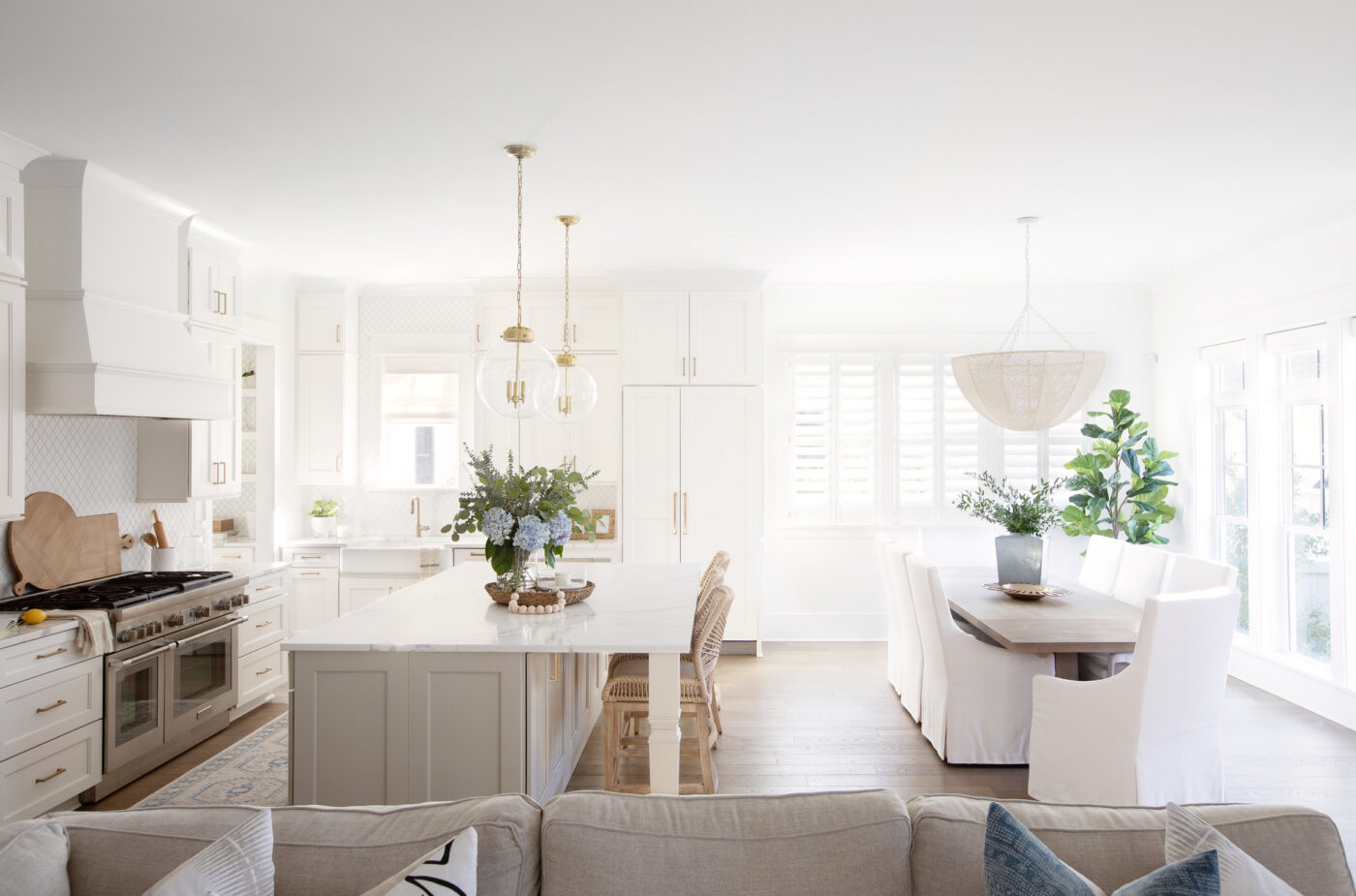
We notice whether a room relies entirely on recessed lighting or whether there are multiple layers: chandeliers, lamps, sconces, picture lights, and accent lighting.
Layered lighting creates warmth and allows the atmosphere of the room to change throughout the day.
It is also one of our favorite ways to add personality.
Every room benefits from a focal point.
Sometimes it is obvious, a fireplace, beautiful view, oversized piece of artwork, or dramatic light fixture.
Other times, the room does not have a natural focal point and one needs to be created.
When too many pieces are competing for attention, a space can feel visually noisy. When nothing draws your eye, it can feel incomplete.
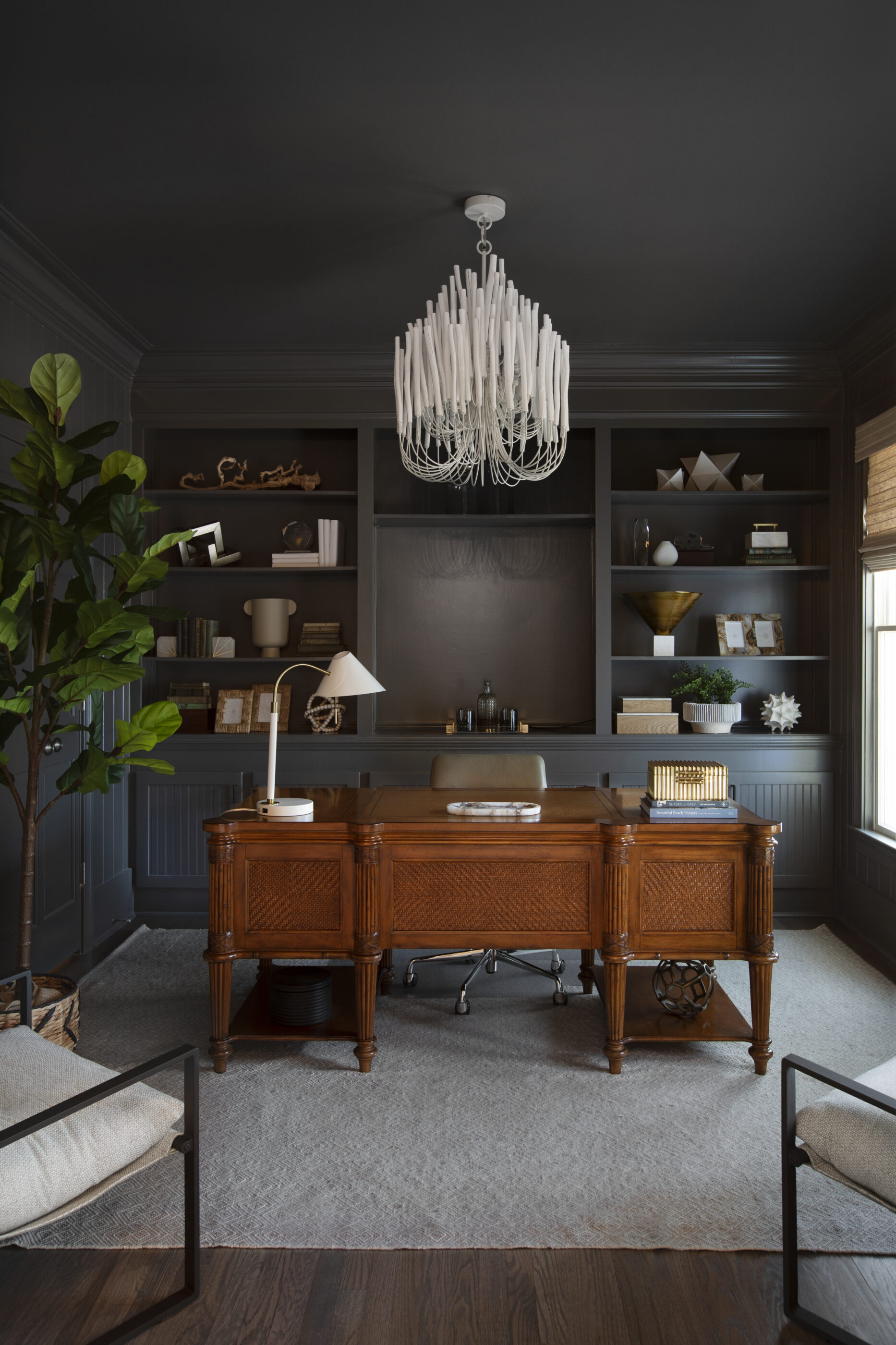
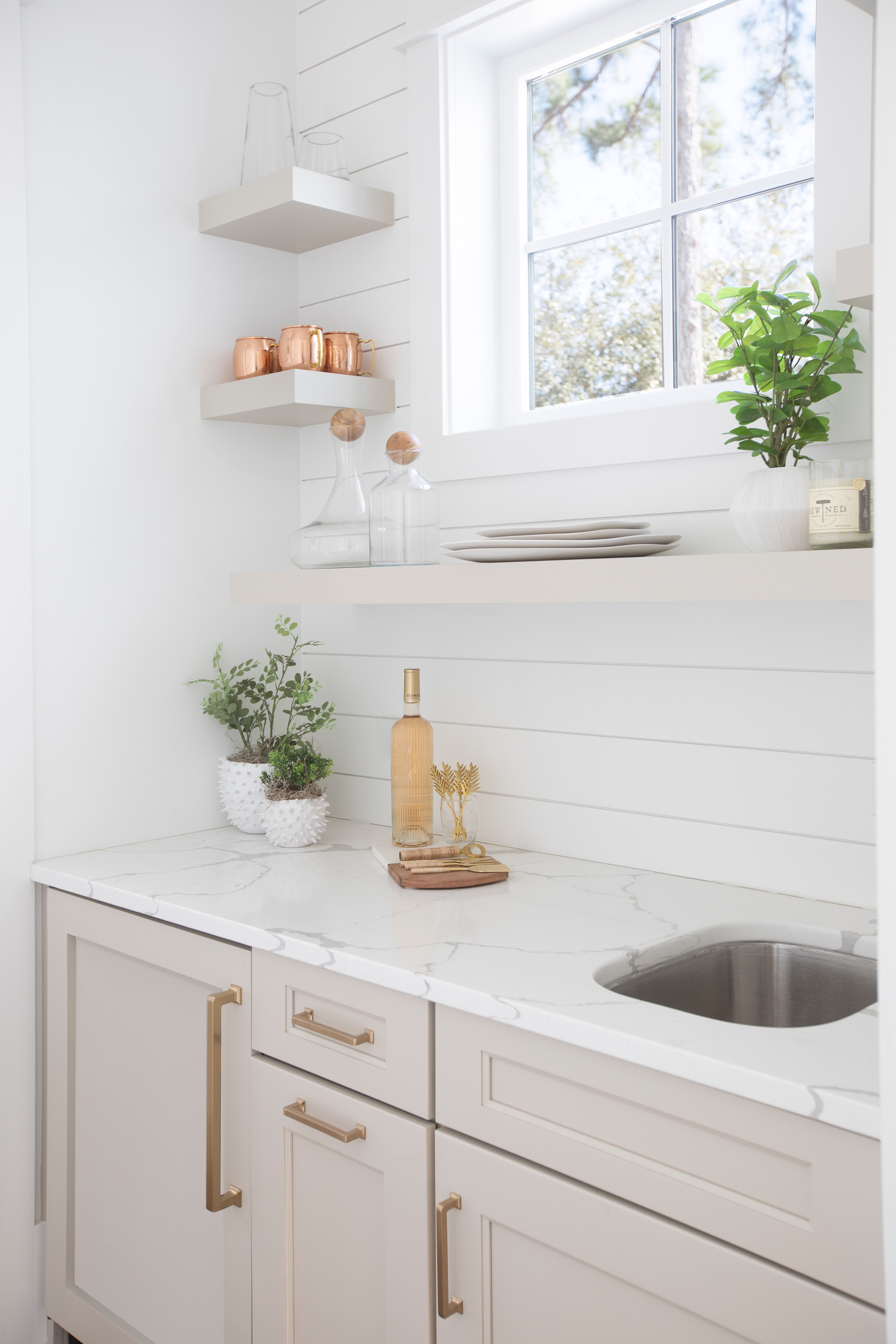
Perfectly coordinated furniture sets can actually make a room feel less interesting.
We are usually looking for a mix of finishes, shapes, textures, and materials that feel like they were gathered over time.
That might mean pairing a modern coffee table with more traditional upholstery or mixing antique pieces with newer furniture.
The rooms that feel the most personal usually have a little contrast.
The best homes reveal something about the people inside them.
Family photographs, books, collected artwork, travel finds, heirlooms, favorite colors, and personal objects are often what turn a beautifully designed house into a home.
Those details cannot be replicated from a showroom.
And we would never want them to be.
Great interior design is not about removing personality in favor of perfection. It is about creating the right backdrop for your personality to shine.