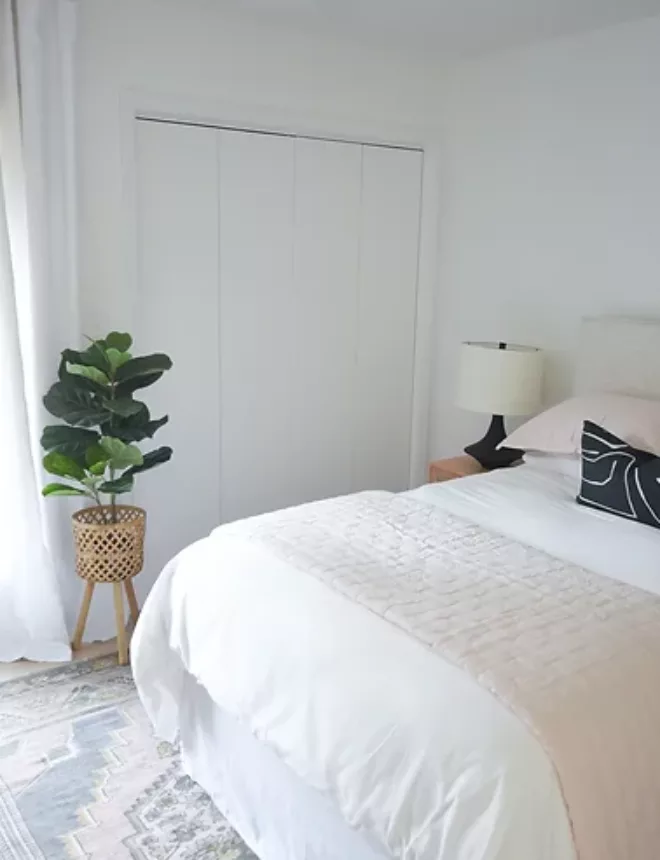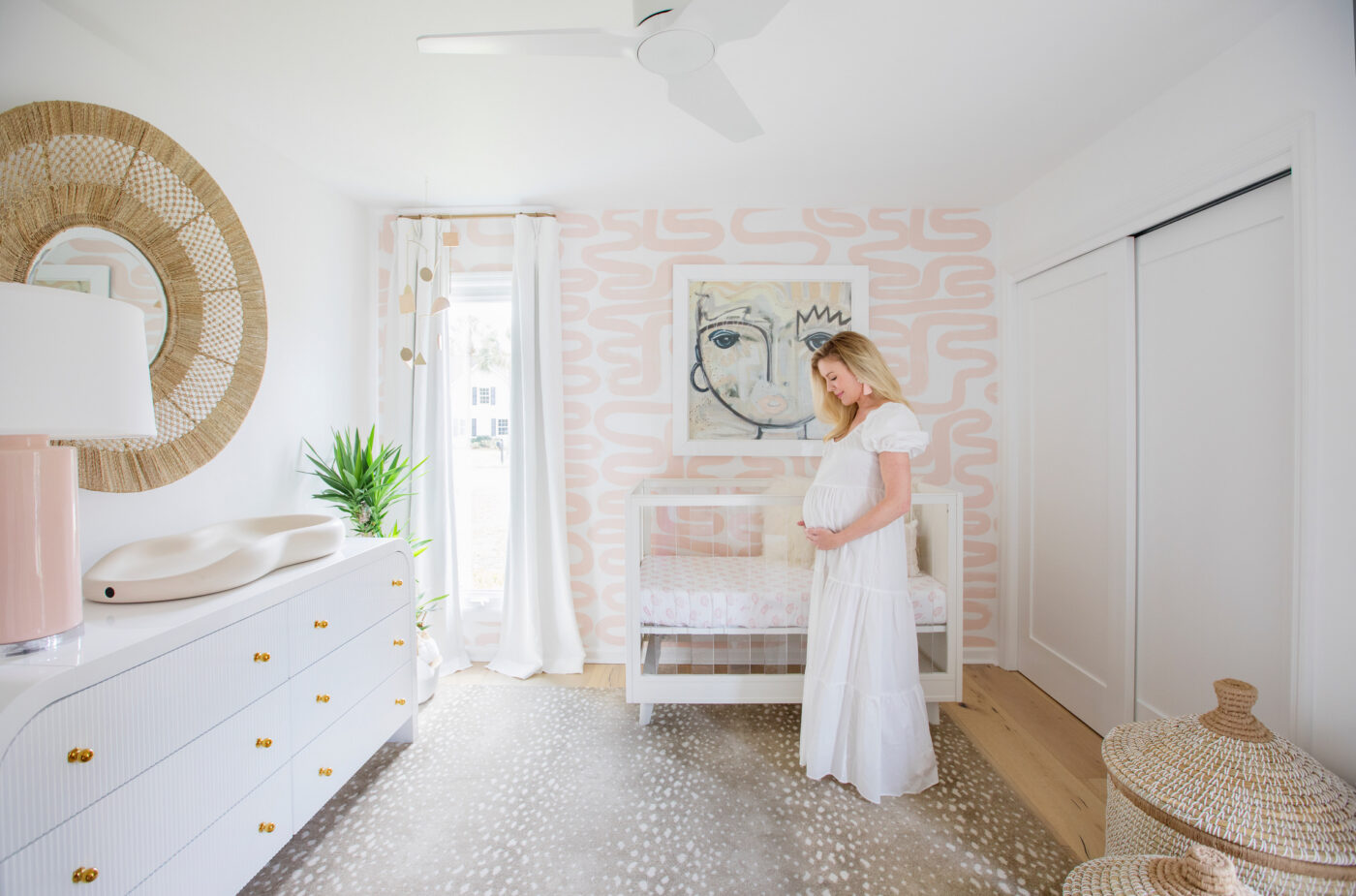
Designing a kids room can feel like a balancing act.
You want it to feel fun, sweet, and full of personality, but you also want it to flow with the rest of your home. The good news is that a kids room does not have to feel overly themed or cluttered to feel special.
With the right mix of color, storage, pattern, and personal details, a child’s room can feel playful and polished at the same time.
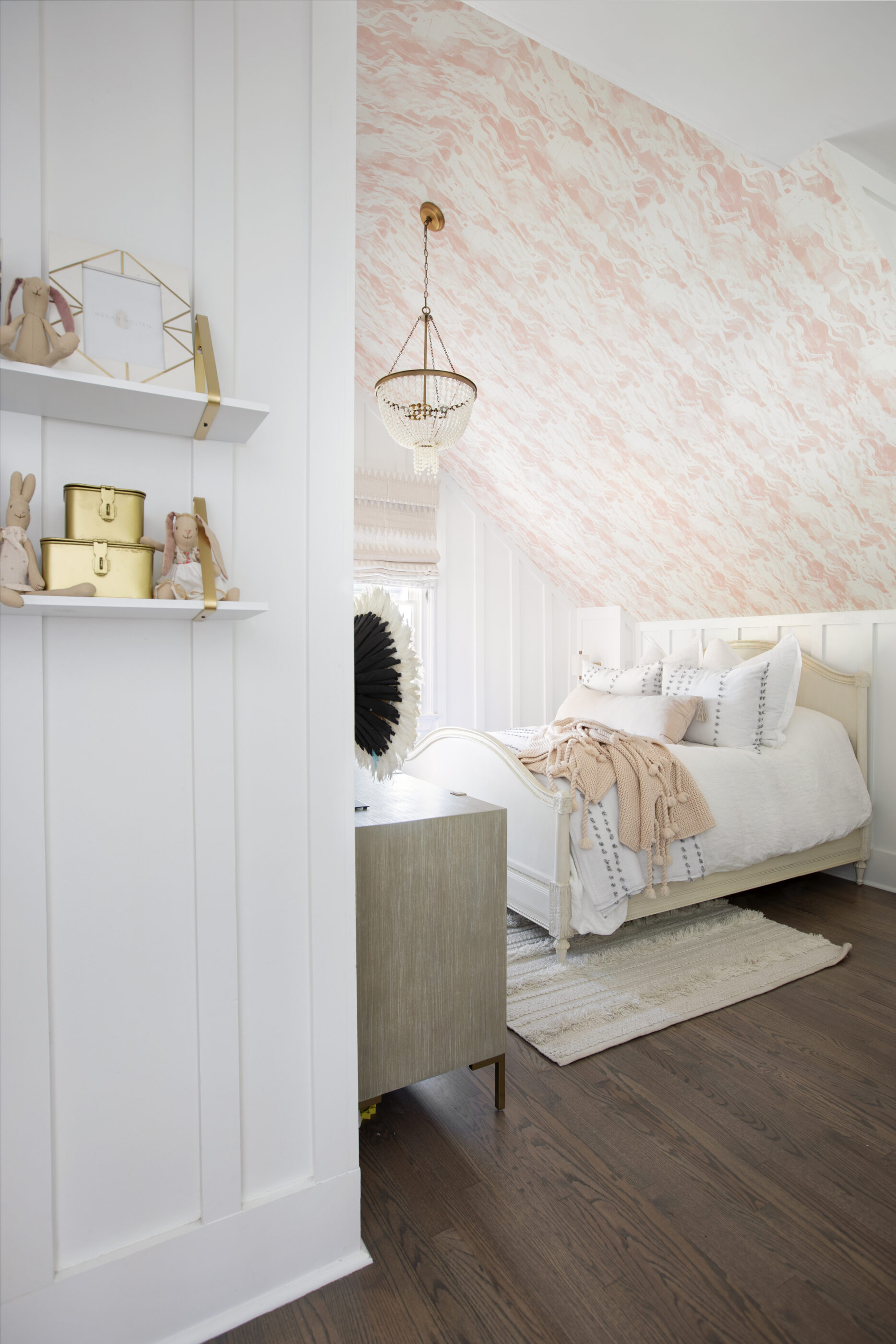
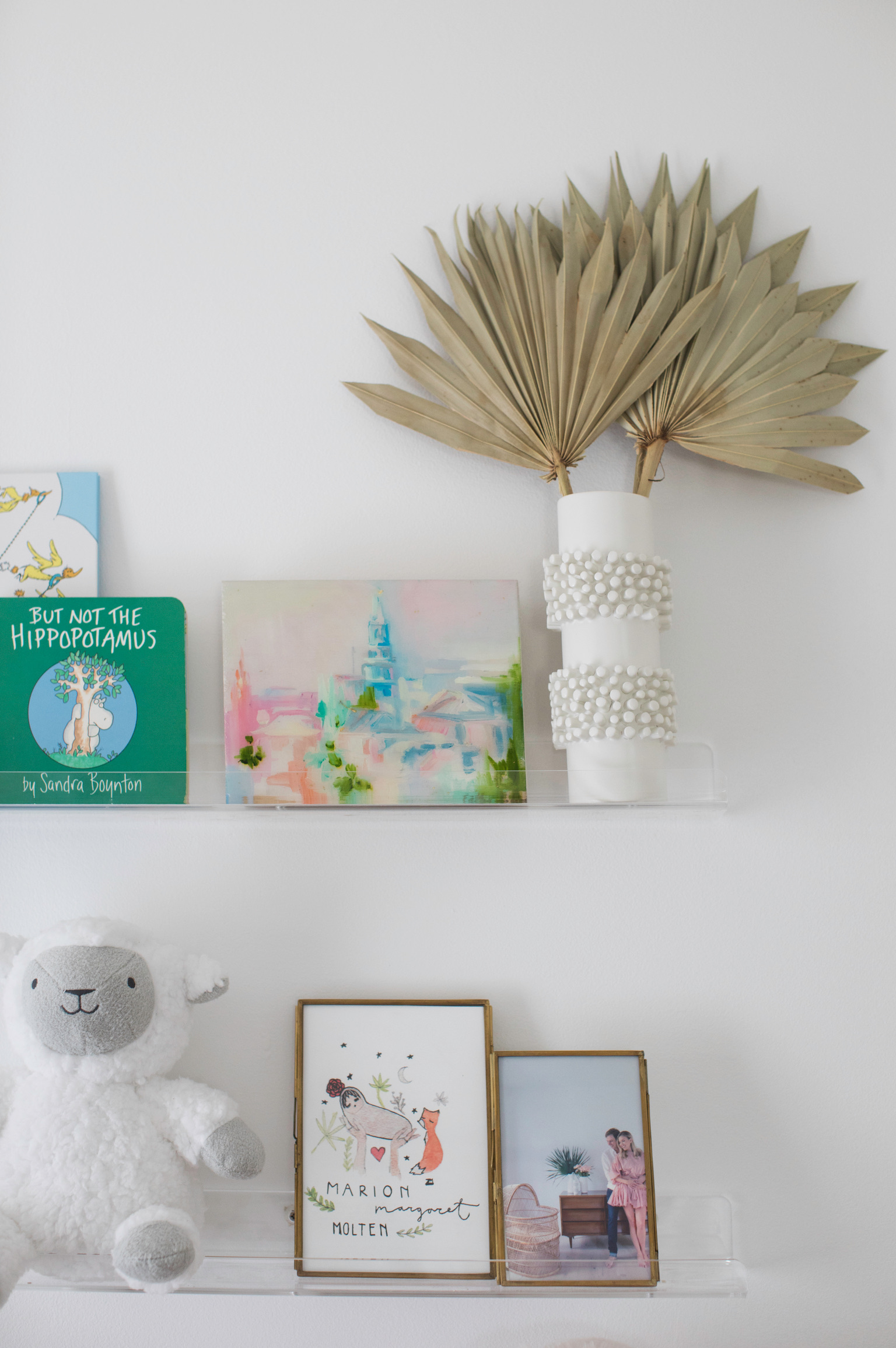
Kids grow quickly, and their interests change even faster. That is why it helps to start with a foundation that can grow with them.
Larger pieces like beds, dressers, nightstands, rugs, and window treatments are usually the best places to keep things more timeless. These pieces create the base of the room and can last through different ages and stages.
Then, the more playful details can come through in smaller layers like pillows, artwork, bedding, lamps, books, and accessories.
This makes the room easier to update without having to redesign everything later.
A kids room can absolutely have color, but it helps to choose a palette that feels intentional.
Instead of using every bright color at once, pick a few shades that work well together. Soft blues, greens, pinks, yellows, creams, and warm neutrals can all feel cheerful without overwhelming the room.
Color can show up through wallpaper, bedding, art, painted furniture, or accessories. The key is to repeat the colors throughout the space so everything feels connected.
A room feels more polished when the colors have a plan.
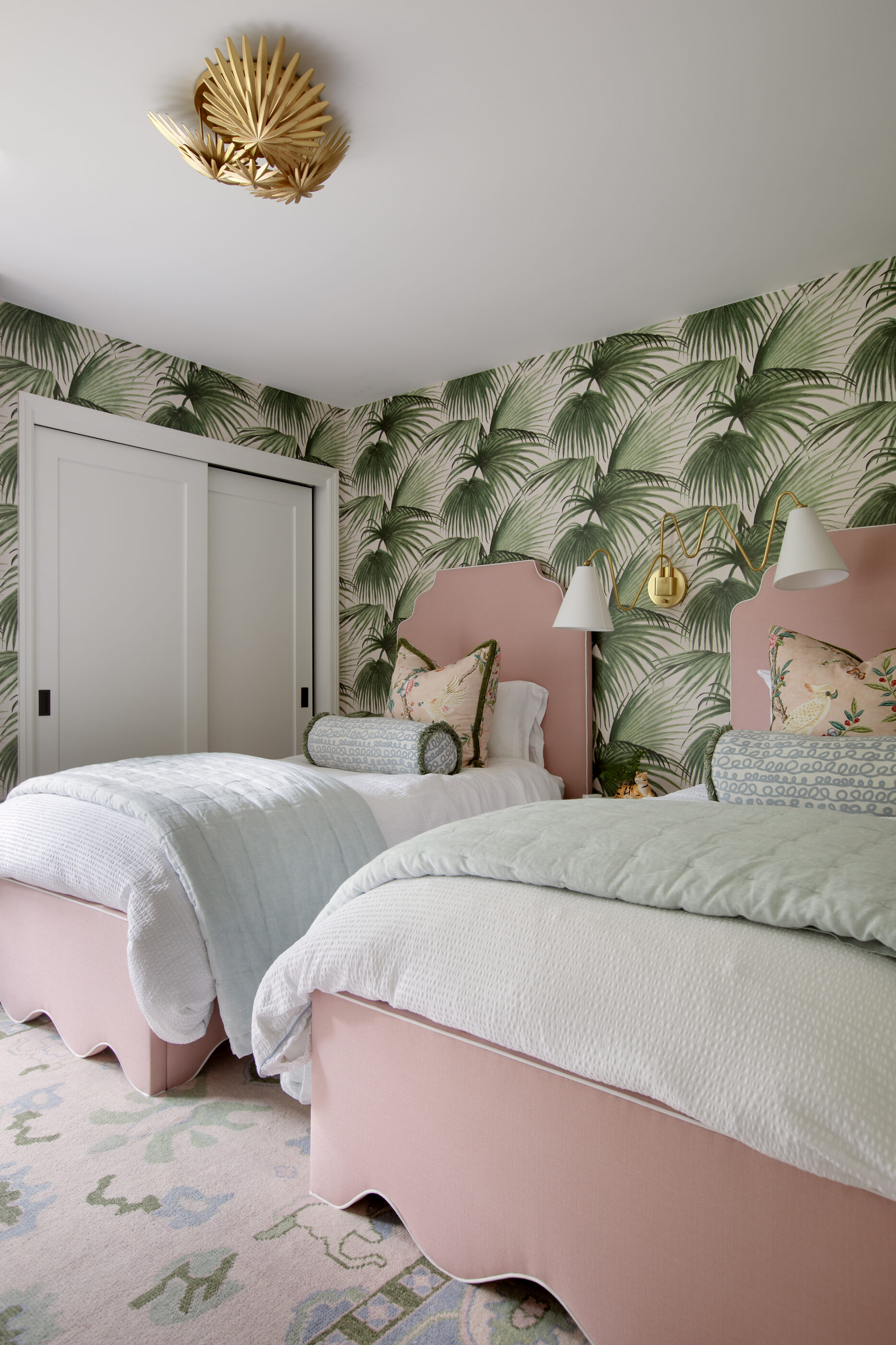
Pattern is one of the easiest ways to make a kids room feel charming.
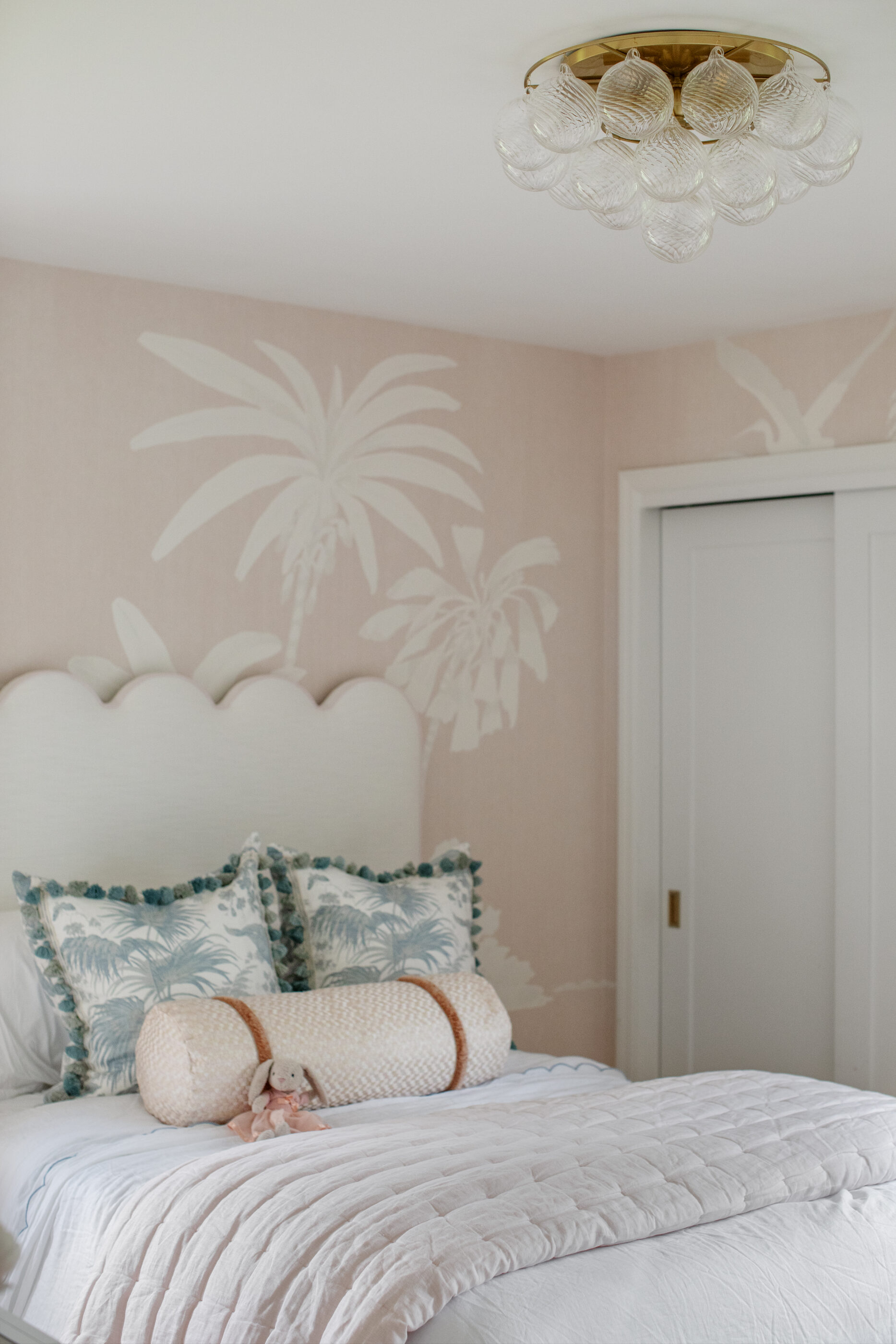
Wallpaper, patterned pillows, a fun rug, or printed bedding can instantly bring personality into the space. The trick is to mix pattern with balance.
If the wallpaper is bold, keep the bedding a little softer. If the rug has a lot of movement, choose simpler curtains. If the bedding is playful, balance it with more classic furniture.
Pattern should add energy, not make the room feel chaotic.
A kids room has to work hard. Clothes, toys, books, stuffed animals, art supplies, and everyday items all need a place to go.
Pretty storage can make a huge difference.
Baskets, bins, built-ins, under-bed storage, bookshelves, and nightstand drawers help keep the room functional while still looking beautiful. When storage is easy for kids to use, it also helps the room stay tidier day to day.
A polished kids room is not a perfect kids room. It is one that has systems in place for real life.
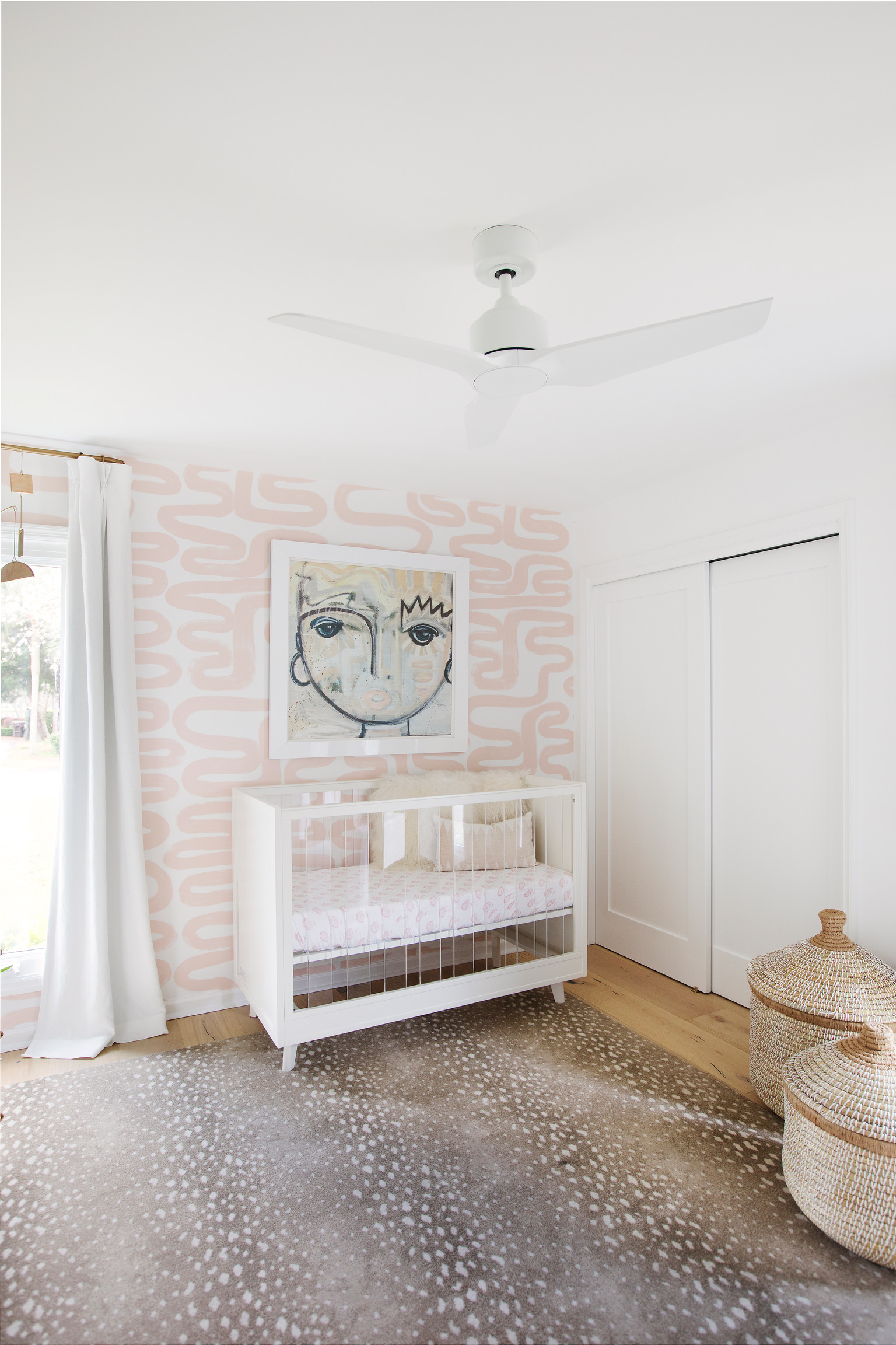
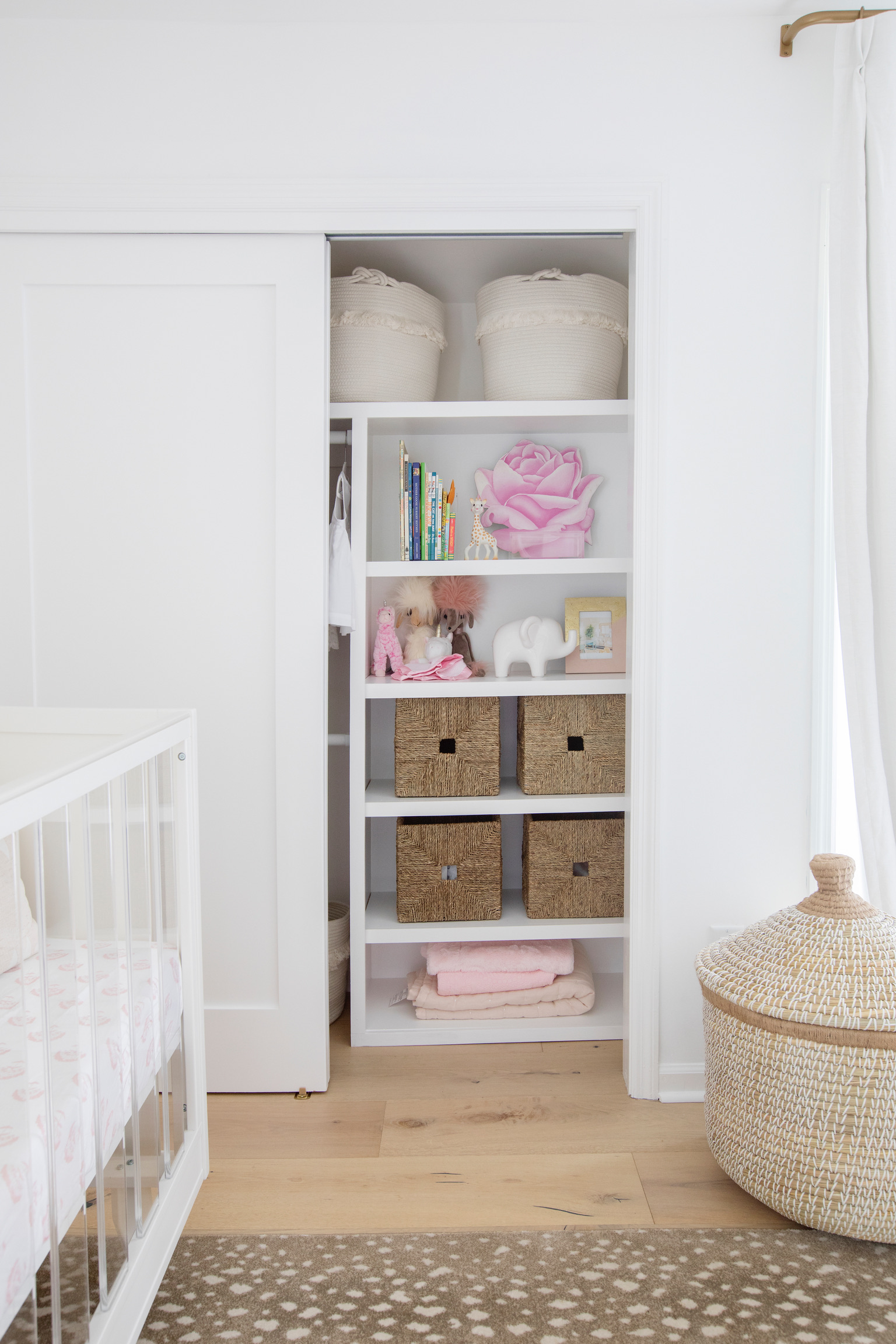
Even a small room can benefit from zones.
The bed can be the cozy sleep zone. A little chair, floor cushion, or corner bookshelf can become a reading nook. A small table or basket area can become a place for toys, crafts, or quiet play.
Creating zones makes the room feel more intentional and helps the space function better.
It also gives children little areas that feel like their own.
The sweetest kids rooms are the ones that feel personal.
That could be framed artwork, monogrammed details, family photos, favorite books, meaningful keepsakes, or a collection displayed in a thoughtful way.
These details make the room feel less like a catalog and more like a space made just for them.
A child’s room should feel beautiful, but it should also feel like it belongs to the child who lives there.
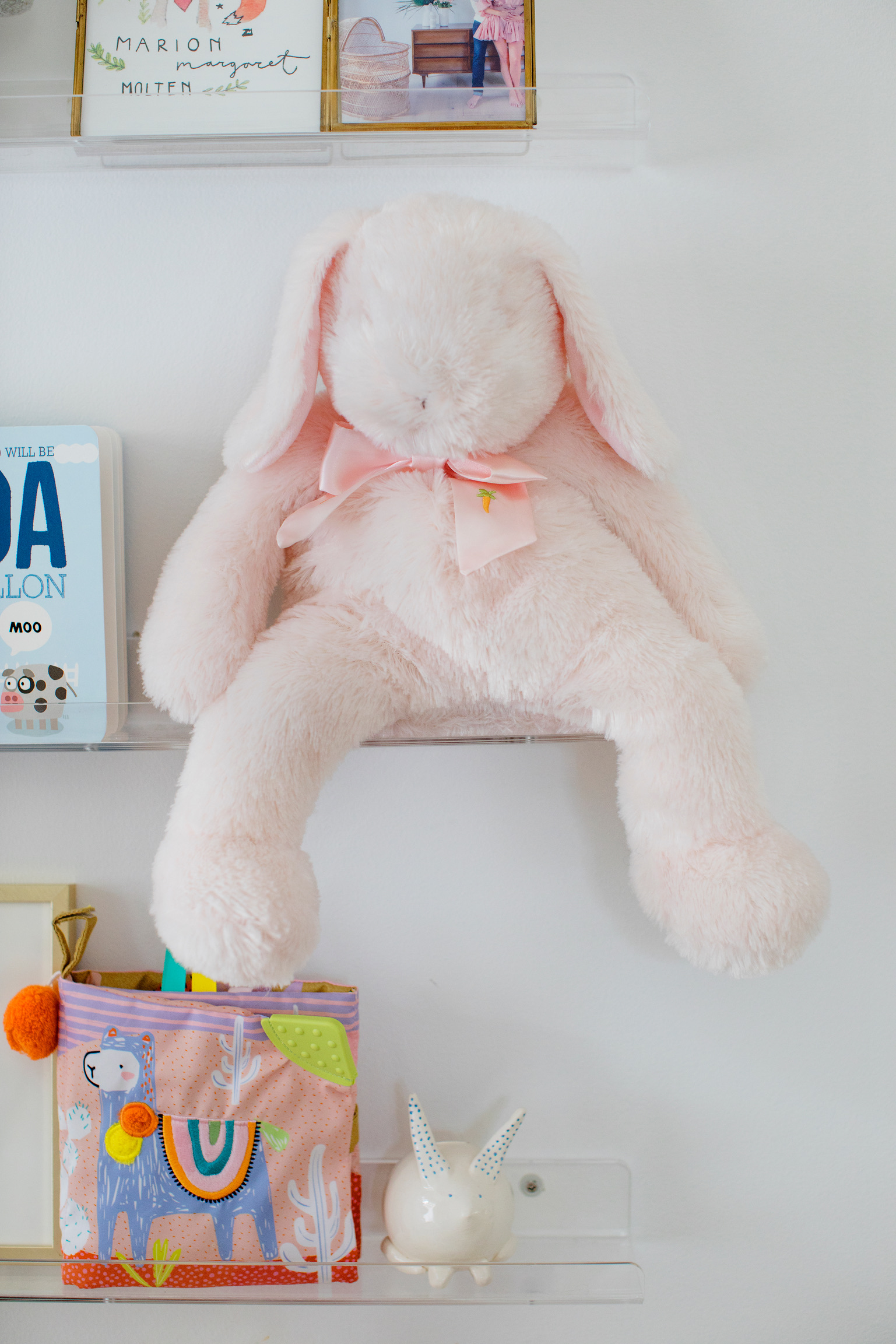
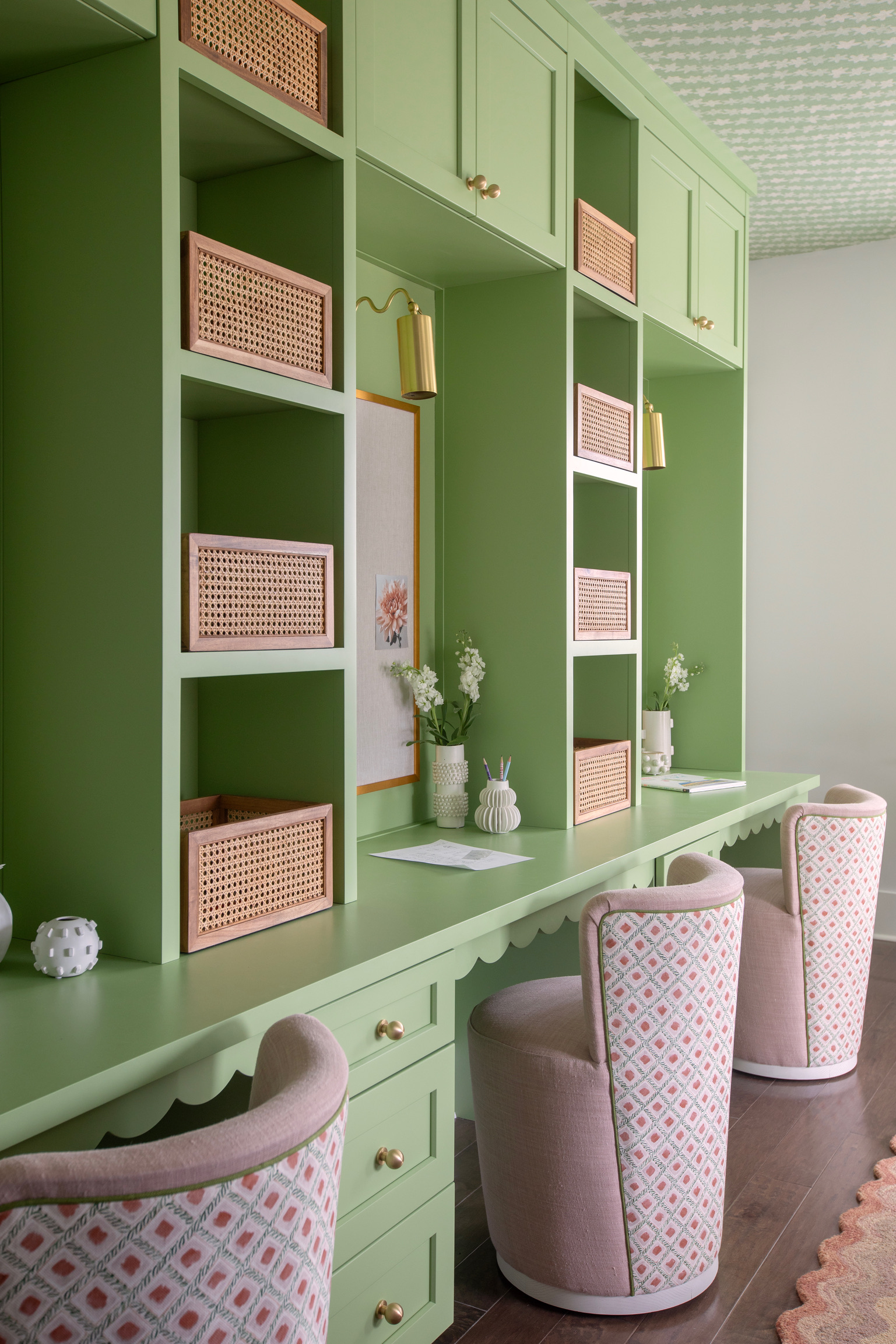
Themes can be fun, but they work best when they are used with a softer touch.
Instead of making every piece in the room match one theme, choose a subtle direction. For example, a coastal-inspired room could include soft blues, natural textures, and shell details without feeling overly beachy. A garden-inspired room could use floral patterns, soft greens, and whimsical art without feeling too literal.
A light theme gives the room personality while still allowing it to grow and evolve.
Lighting makes a big difference in a kids room.
A ceiling fixture is practical, but softer layers are what make the room feel cozy. Bedside lamps, sconces, nightlights, or a small reading lamp can create warmth and make the space feel more finished.
Good lighting also helps support the room’s routines, from getting ready in the morning to winding down at night.
A well-designed kids room should feel joyful, comfortable, and personal.
It should have room for imagination, but also enough structure to function for everyday life. It should feel playful, but not so trendy that it needs to be redone every year.
The goal is not to create a perfect room.
The goal is to create a little world where a child can sleep, play, read, grow, and feel completely at home.